Posts

Natural Health Approaches Effective for both Non-Communicable Chronic Diseases and Infectious Disease

When most of us are under the weather, the first thing that comes to mind is to find out where the emergence rooms are ,  for a doctor ’ s prescription for an antibiotic. However, in the present day, there is a considerable section of the society embracing natural approaches to dealing with infectious diseases, and I am proud to be among this part  of the society.  In my case, this inclination towards use of  natural approaches to tackle  infectious diseases came about accidentally, while I was using natural approaches  (vitamins, mineral supplements, medicinal herbs in the form of nutritional therapeutic/healing approaches)  to deal with my own non-communicable ill-health conditions that had befallen me. The biggest surprise to me was that, not only did the natural approaches help me to recover from the ill-health chronic condition s , but also kept me off infectious diseases, and noticeably, in particular the co mmon cold and flu, from the time I...
Staying Health - A personal responsibility

Most current human health problems are man-made lifestyle diseases and are also extended to animals. I f lifestyle- related diseases are man-made, it then follows that by common sense, they can also be “ man-prevented ” . The ill-health related man-made risk factors are broad and include modern unwholesome foods,  chemicals in personal care and cleaning products, and a wide range of air and water pollutants. The existence of the ill-health risk factors entangled in our environment makes it a challenge for us to fend off their potential threats and harms. It demands that we don ’ t look for salvation solely from our healthcare providers, but ensure that we get involved in determining our own health - Taking Charge of Our Own Health. There are a couple of facts we can put forward to justify why we need to take charge of our own health: t he experts can ’ t fix everything ; healthcare systems are imperfect; affordability limitations; we deserve service satisfaction and we need to be...

Health and personal care products choices

In one of my last postings, I focused on Ammonium as one of  the toxic ingredients ubiquitous in cleaning reagents, especially window and glass surface cleaners. Ammonium toxicity is mainly associated with respiratory problems. There are hundreds of these toxic ingredients in personal care products. In the current posting I wish to introduce to you one of the hidden toxic ingredients in a number of personal care products as well as medications, vaccines and household utensils. Aluminium is considered by many health care authorities worldwide as a harmless mineral element, used for various purposes in personal care products, vaccines, medicines etc. However, new emerging research points to Aluminium as a harmful mineral element to human health, being of particular concern to the nervous system toxicity, related to alzheimer ’ s diseases, Parkinson ’ s disease and  multiple sclerosis, and also hemotoxic (blood system). If it is true that effective prevention of any health proble...

The Dilemma of the Cleaner – Getting Sick from Cleaning for Health

The overall objective of the cleaner’s task is to upkeep a healthy living, working, etc. environment (home, office, classroom, clinic, etc.) Some of the most important cleaning for health tools, are the cleaning reagents/products, targeted at removing dirty and microorganisms that may cause diseases. The problem to the cleaner is that although most of the cleaning reagents currently flooding the markets can perform wonders in achieving the cleaner’s goals, i.e., a clean and healthy environment, most of them are also hazardous to the cleaner, causing acute/immediate health problem (allergies, skin irritation or burns, respiratory disturbances, or even fatal total dis-function of the body). Some of the ingredients of these cleaning reagents, may be absorbed slowly by the body, and later can cause long-term/chronic illnesses. These products may be synthetic or extracted from natural sources or both. To protect yourself, your family, and our precious planet, here are a few of the most...

Eat That, Don’t Eat That in Macronutrients or Micronutrients Intake Count for Health

Image
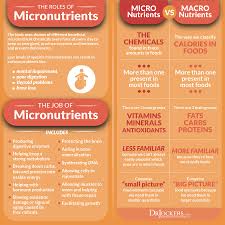
--> In one of my post on Google My Business Website, I highlighted issues of macronutrient intake count in relationship to our health. The current post takes a brief look at the roles and functions of micronutrients in our bodies as living organisms, and an outline of some aspects of micronutrient vs macronutrients. The main points of my post are all summarized in the diagram above. What is worth adding emphasis on is that in the public domain, although micronutrients play critical roles and many functions in the body, they are less familiar, as we can’t always easily pinpoint which ones are in which foods. Further more, from the diagram above it is apparent that micronutrients are the drivers of metabolic processes in our bodies and even if macronutrients are in good balance, micronutrients deficiencies, imbalances or excesses are likely to lead to metabolic disorders. Therefore, asking for a bit more attention to intake count of our micronutrients, even mo...

Taking Charge of Our Own Health – Tied to Life-Long Learning

In my last posting, I talked about taking charge of our own health and the need for a change in the way we view health and ill-health. This comes in the face of the shortfalls and/or challenges faced by the conventional approaches to medicine and the related health care systems to fight current health problems, in particular chronic non-communicable diseases (illnesses). On the other hand very encouraging evidence of success in fighting these current health problems through emerging and fast-growing alternative and/or holistic medical and health care systems. Most of us would agree that, with the conventional approaches to medical and health care systems patients play passive roles (surrender decision making authority to the health care provider) and the health care providers play the active role. On the other hand, in the emerging alternative medical and health care approaches (mainly inclined to natural approaches), trained medical and health care providers teach and encourage p...

The Paradox of Carbs in Human Health

All fingers are now pointing at sugars as culprit risk factors for a variety of health ailments such as cardiovascular diseases (hypertension or high blood pressure and atherosclerosis included), diabetes, some forms of cancer, various forms of body aches, etc. However, on the other hand, it is a well-established fact that carbs are the ideal source of readily available energy, for normal body functions. We need carbs and they are good for us at optimum intake levels, but excess intake brings with it numerous health problems. The challenge then is, how do we know when enough of the carbs intake is enough. Advice from our professional health care providers has been available for a while now, but the health problems said to be associated with the so-called excess intake appear to stay put in the greater part of the population world over. The question then is, are we on the spot as to the link between carbs and our chronic illnesses and the possible appropriate interventi...